
Aggressive behaviour or safety concerns
Barking, growling, lunging, snapping, biting, chasing, threatening displays, or other behaviour that is creating concern or raising questions about safety.
Behaviour Consulting
Behaviour consulting is for dogs whose behaviour is affecting everyday life, creating concern, or raising questions about safety.
Rather than starting with a label, we look at what your dog is actually doing, when it happens, what is happening around them, and what changes as a result.
All new behaviour clients begin with a free 15-minute discovery call.
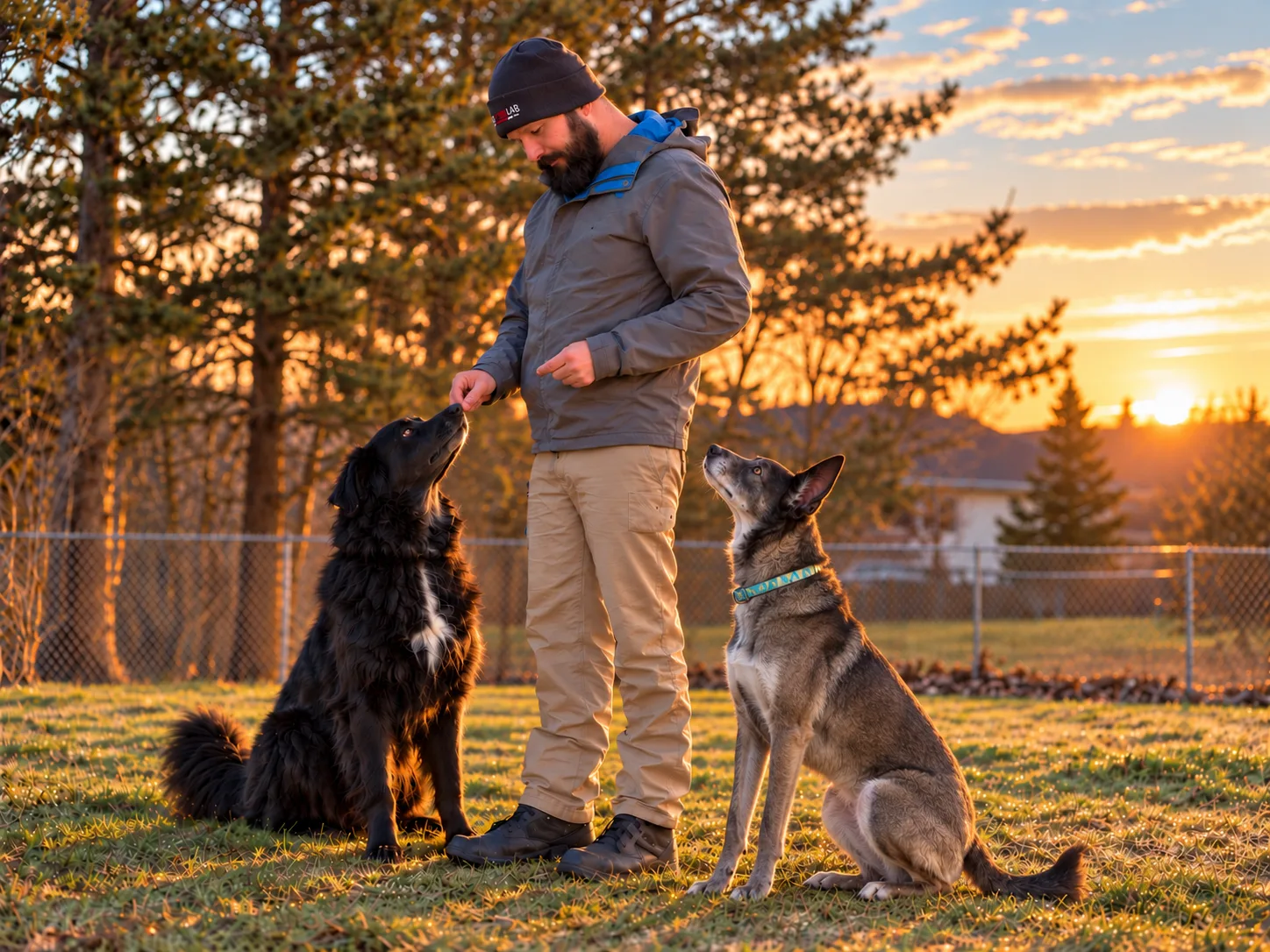
Is behaviour consulting the right fit?
You do not need to have the problem perfectly defined before reaching out. Part of the assessment is figuring out what is actually happening and what information is useful.
Barking, growling, lunging, snapping, biting, chasing, threatening displays, or other behaviour that is creating concern or raising questions about safety.
Responses around unfamiliar people, dogs, handling, movement, environments, noises, veterinary care, or other situations your dog finds difficult.
Concerns involving food, toys, resting places, people, spaces, household animals, or other things your dog may be trying to maintain access to.
Sudden changes, inconsistent behaviour, new conflict, difficulty during everyday routines, or situations where previous training has not explained what is happening.
A note about language
You may have heard barking, lunging, growling, snapping, or similar behaviour described as “reactivity.”At Island Canine, I do not use reactivity as a separate category from aggressive behaviour. I use aggressive behaviour to describe observable responses — not the dog’s character.
The label alone does not tell us why the behaviour is happening or what will help. The same kinds of responses may create distance, protect access to something important, occur around handling, or serve another function depending on the situation.
That gives us something useful to assess: context, safety, environment, learning history, medical factors, and what skills or changes may actually help.
The initial assessment
Assessment is about finding patterns and priorities: what is happening, what may be influencing it, what needs managing now, and what may help next.
What has been happening, when it started, where it occurs, what has changed, previous learning, and what everyday life looks like for your dog.
What your dog actually does, what tends to happen before the behaviour, what happens afterward, and the conditions that make it more or less likely.
Practical ways to reduce risk, prevent unnecessary rehearsal, and make difficult situations more manageable while we work on longer-term change.
Recommendations based on your dog, your goals, your household, the function of the behaviour, and what you can realistically use in everyday life.
Pain, illness, medication changes, sensory changes, or other medical factors can alter behaviour. Veterinary assessment may be recommended before or alongside behaviour work when there is reason to consider a medical contribution.
How it works
Behaviour work is not always a straight line. New information or changes in the dog or environment may change what makes sense next.
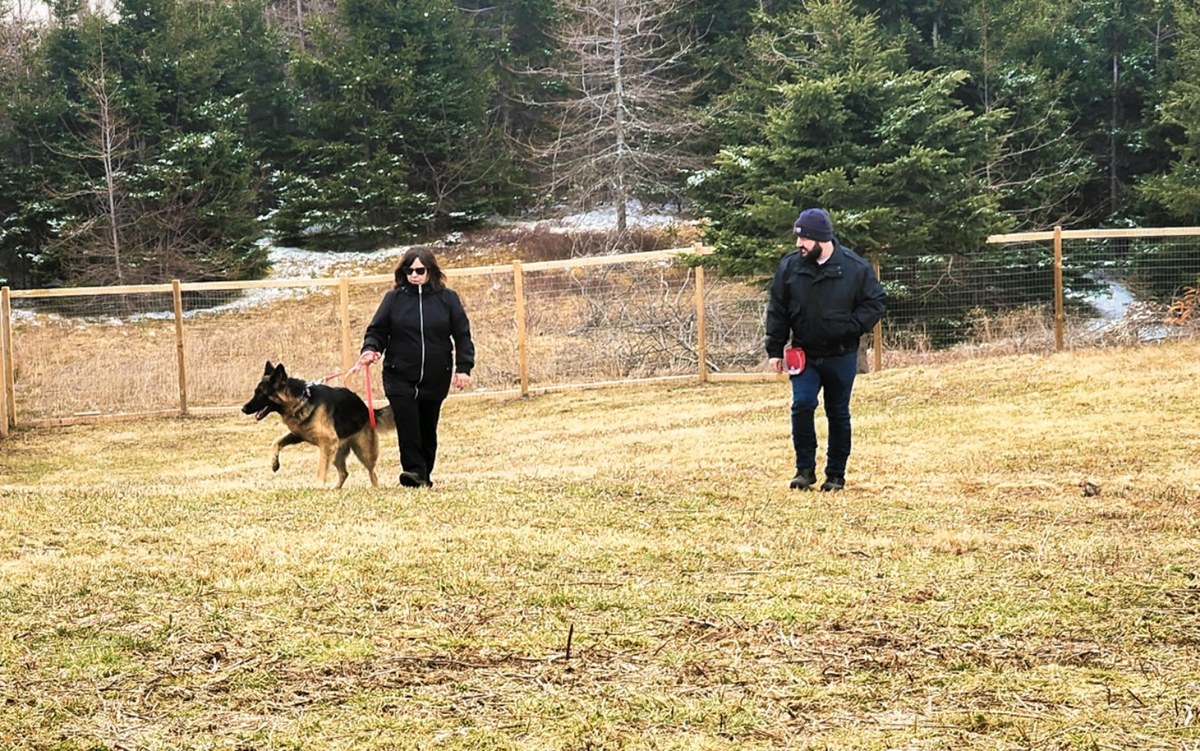
A free 15-minute conversation about your dog and the concern. It helps identify the right next step; it is not the behavioural assessment itself.
We look at behaviour, context, history, health, safety, environment, learning, and what you are hoping will change.
We identify priorities, management strategies, environmental changes, and skills that are useful for the behaviour we are seeing.
We look at what changed, measure what is useful, adjust the plan, and decide what makes sense for the next stage.
This is a process, not a rigid sequence. We may return to an earlier step when new information comes up or the behaviour tells us something needs to change.
What behaviour work looks like
The goal is not simply to suppress a behaviour or make a dog appear calm while the underlying situation remains difficult.
Depending on the assessment, work may include management, environmental changes, alternative behaviours, gradual exposure, cooperative care, handling skills, or clearer communication.
A useful question
Fees & logistics
There are no required behaviour packages. We book the next session when it is useful for the case.
Initial Behaviour Assessment
Approximately 1½–2 hours
Follow-up Appointment
Individual follow-up session
Travel outside CBRM
Mileage applies when travelling outside CBRM.
Island Canine is a mobile service. The location we use depends on your dog, the behaviour, safety, and what we need to observe or work on.
Regular weekday daytime consultations are not currently offered.
Occasionally, unusual circumstances may mean it takes a little longer.
Getting started
You do not need to find the right label before reaching out. Tell me what your dog is actually doing and when it happens. We can start from there.